Road sign maintenance comes down to three habits: inspect road signs by day and at night, clean them gently so the reflective sheeting survives, and replace any face that is faded, peeling, bent or dark in headlights. Customized Road Signs can match replacement road signs to the originals, with a free mockup within 24 hours, so a refresh stays consistent.
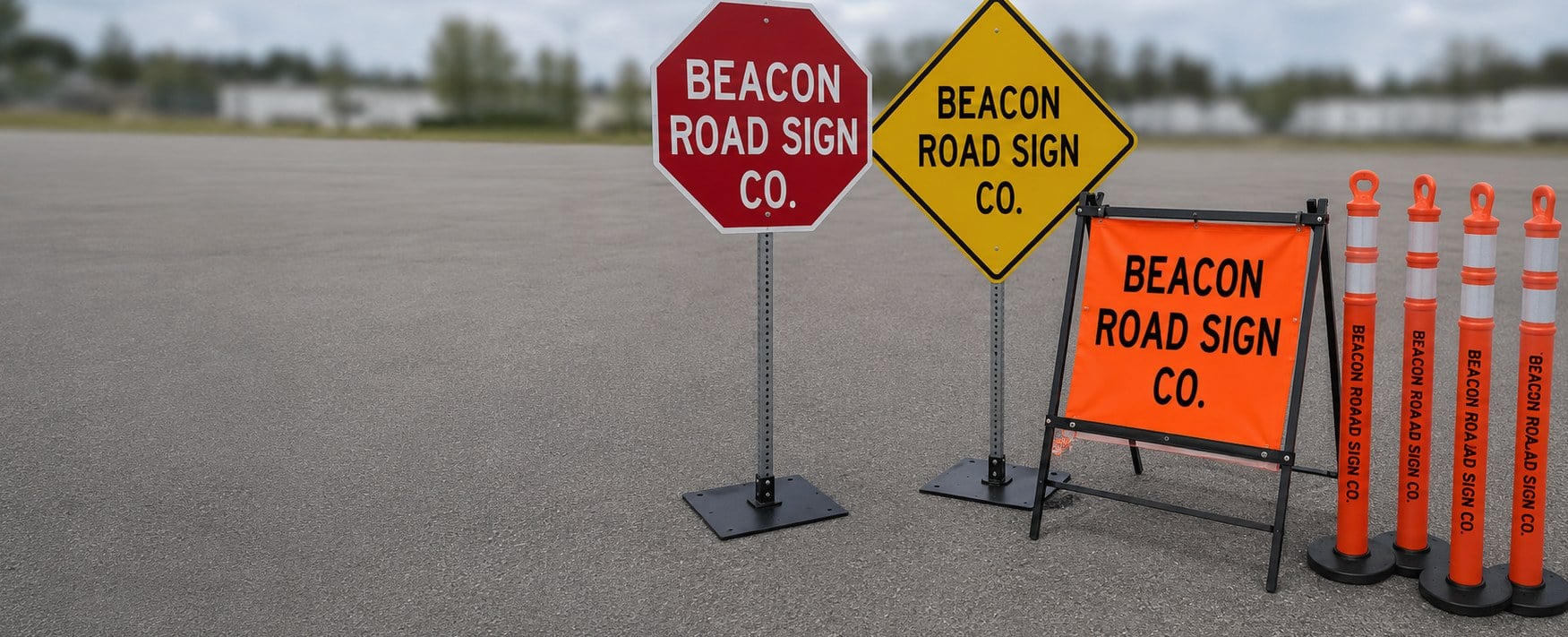
- Check road signs each season by day and once a year at night
- Clean with mild detergent, a soft brush and low-pressure water
- Replace faces that are faded, peeling, bent or dark in headlights
- Free replacement mockup within 24 hours; about 2 weeks standard turnaround
How often should road signs on private property be inspected?
Road signs on private property should get a quick daytime walk-through every season and a nighttime drive-through at least once a year, plus a spot check after any storm, plow event or reported knockdown. Daytime checks catch damage, lean and graffiti. Night checks catch the problem daylight hides: sheeting that no longer throws headlight back to the driver.
Owners of private roads, campuses, HOAs and industrial yards are not bound by the inspection schedules that public agencies follow, but the same logic applies. A road sign only works when a driver can read it at speed, in the dark, from far enough away to react. Put the inspection on the same calendar as parking lot sweeping or landscape contracts so it actually happens.
- Each season: walk the site with your sign map and note leaning posts, loose bolts, bent faces and blocked sight lines.
- Once a year at night: drive every route with low beams and mark any road sign that looks dull, patchy or dark next to its neighbors.
- After events: recheck routes after snow removal, heavy wind, construction traffic or a vehicle strike.
What does a faded or failing road sign actually look like?
A failing road sign usually shows one of four symptoms: colors washing toward white or pink, a face that looks bright by day but goes dark in headlights, sheeting that peels or cracks at the edges, or a legend that is hard to read through grime and film. Any one of these means the road sign is no longer doing its job, even if it still stands straight.
Red fades fastest under strong sun, so stop and do not enter signs tend to show age before white regulatory signs or yellow warning signs. South- and west-facing road signs age faster than ones in shade. Edge peeling often starts where water sits, which is why a crack at the bottom corner is worth noting even when the face looks fine.
| Symptom | Likely cause | Usual fix |
|---|---|---|
| Red or orange turning pale | Long sun exposure | Replace the face |
| Dark in headlights, fine by day | Worn or low-grade reflective sheeting | Replace, consider a brighter grade |
| Gray film, legend still sharp | Road spray, dust, pollen | Gentle cleaning |
| Peeling or cracked edges | Water entry, impact, age | Replace the face |
| Leaning or twisted sign | Loose hardware, post damage | Retighten or replace post and hardware |
How do you clean road signs without damaging the reflective sheeting?
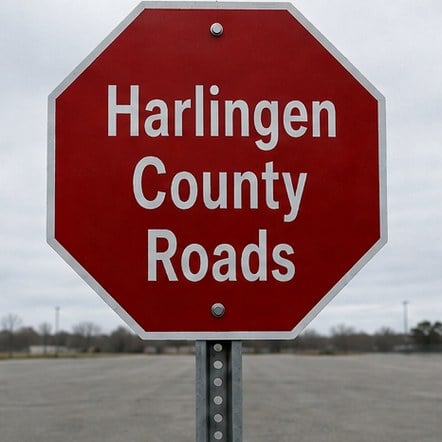
Clean road signs with plain water, a mild non-abrasive detergent and a soft brush or sponge, working from the top down and rinsing well. That removes road film, pollen and dust without scratching the reflective sheeting, which is the layer that sends headlight back toward the driver and the part most easily ruined by the wrong method.
Skip anything abrasive. Scouring pads, stiff wire brushes, strong solvents and close-range pressure washing can scuff or lift the sheeting and make a road sign permanently dimmer than it was before cleaning. If paint or graffiti will not come off with mild methods, treat it as a replacement candidate rather than scrubbing harder.
- Check that the road sign is secure on its post before you lean on it.
- Rinse loose dirt off with low-pressure water.
- Wash with a mild detergent solution and a soft brush, top to bottom.
- Rinse thoroughly so no soap film dries on the face.
- Look at the road sign again at night; if it is still dark, cleaning was not the problem.
Cleaning helps a dirty road sign. Cleaning does not restore sheeting that has worn out, so the night check after cleaning is what tells you which signs belong on the replacement list.
When should a road sign be replaced instead of repaired?
Replace a road sign when the face is faded, peeling, cracked, bent or dark at night, because none of those conditions can be fixed in the field. Repair makes sense only for the mounting: tightening or swapping bolts, straightening a bracket, or resetting a leaning post. If the face itself is the problem, a new road sign is the reliable fix.
Patching sheeting with tape or overlays tends to look obvious in headlights and can peel at the seam. A bent aluminum blank rarely sits flat again and catches light unevenly. For regulatory road signs such as stop, yield and speed limit, the bar is higher still: a driver who cannot read the sign has a reasonable complaint, and the property owner carries that risk.
A practical rule for facilities teams is simple. If the post and hardware are the problem, fix them. If the face is the problem, reorder it. Customized Road Signs can match the original legend, size and sheeting so the replacement sits naturally beside the rest of your road signs. For new posts, brackets and fixings, see posts, brackets and hardware in bulk.
Which road signs wear out first on a typical site?
The road signs that wear out first are usually the ones at entrances, loading areas and tight turns, where trucks, plows and turning cars brush them, plus any red-faced signs in full sun. On most properties a small group of locations accounts for most replacements, so knowing those spots lets you plan spares and reorders rather than reacting to damage.
- Entrance and exit signs: the highest traffic and the most mirror strikes.
- Dock, yard and drive-through signs: trailers and delivery vehicles cut corners.
- Stop and do not enter signs in full sun: red fades sooner than other colors.
- Low-mounted signs near snow piles: plow blades and packed snow bend posts and faces.
- Signs near irrigation: constant spray leaves mineral film that dulls the face.
Mark these locations on your sign map. When you order, a few spares of the high-wear designs mean a knocked-down road sign can be swapped the same day instead of waiting on a new order. Customized Road Signs keeps your approved artwork on file, which makes repeat orders of the same legend straightforward.
Does reflective sheeting grade change how long a road sign stays readable?
Yes. The reflective sheeting grade affects how bright a road sign looks in headlights when new and how well that brightness holds up over its service life. Higher grades of sheeting generally start brighter and keep more of their nighttime visibility as they age, which is why they are the usual choice for faster roads, darker sites and safety-critical regulatory signs.
Lower grades still have a place on slow internal drives, well-lit lots and informational signs where nighttime reading is less critical. The mistake is using one grade everywhere without thinking about where each road sign stands. When you are replacing faded signs, it is worth asking whether that location deserves a step up.
The high-reflectivity signs page explains the grades Customized Road Signs offers. If you are not sure, list where each road sign stands, the speed of traffic and how dark the area is at night, and the quote team will suggest a grade for each location.
How do you keep replacement road signs consistent with the ones already installed?
Keep replacement road signs consistent by recording the legend, size, shape, colors and sheeting of every sign when it is first installed, then sending that record with each reorder. A matching replacement looks like part of the original set; a mismatched one looks like a patch job and can confuse drivers who expect one style across a property.
The easiest record is a simple spreadsheet tied to your sign map: location code, legend, size, sheeting grade, post type and the date installed. Take a straight-on daytime photo of each road sign as well. When a sign is damaged, that row is everything needed to reorder it exactly.
- Note any logo, community name or custom wording, word for word.
- Note which signs are back-to-back or share a post.
- Keep the approved mockups from your original order.
Send that list through the custom quote form and Customized Road Signs returns a free mockup within 24 hours so you can confirm the replacement matches before anything is made.
What is the simplest way to run a yearly road sign refresh?
The simplest yearly road sign refresh is a four-step loop: inspect, list, reorder and install, timed so new signs arrive before the season when visibility matters most. Many properties run it in late summer or early fall so faded and damaged road signs are replaced before longer nights and winter weather arrive.
- Inspect: do the night drive and the daytime walk with your sign map.
- List: mark each road sign as clean, repair mounting, or replace.
- Reorder: send the replacement list, with photos and location codes, for a quote and mockups.
- Install: swap faces or full assemblies, then update the sign map with the new install dates.
Standard production at Customized Road Signs takes about 2 weeks after you approve the design, with faster turnaround available through express shipping, and you pay nothing until you approve. You can see each step on the how it works page. A refresh run this way turns road sign upkeep into a routine task rather than a string of emergency orders.
Frequently asked questions
Can road signs be washed with a pressure washer?
Road signs can be rinsed with low-pressure water, but a pressure washer held close can lift edges or scuff the reflective sheeting and leave the sign dimmer at night. Use a mild detergent and a soft brush instead, rinse from the top down, and keep any spray at a distance. If grime still will not come off gently, the road sign may be better replaced than scrubbed.
Why does a road sign look fine in daylight but dark at night?
A road sign that looks fine in daylight but dark at night usually has worn reflective sheeting. The colors may still be visible, but the layer that returns headlight to the driver has lost performance. Cleaning will not restore it. Customized Road Signs can produce a replacement in the same legend, ideally on a sheeting grade suited to how dark that location gets.
Is it worth repairing a bent road sign face?
A bent road sign face is rarely worth repairing. Aluminum that has been folded seldom lies flat again, and the uneven surface catches headlights in patches that make the legend harder to read. Straighten or replace the post and bracket if they are damaged, but reorder the face itself. Customized Road Signs can match the original design so the new sign blends in.
What should a road sign inspection checklist include?
A road sign inspection checklist should cover the face, the mounting and the sight line. Check for fading, peeling, cracks, dents and graffiti; confirm posts stand straight and bolts are tight; and make sure branches, parked vehicles or snow piles do not block the view. Add a nighttime check with low beams so you catch road signs that have lost their reflectivity.
Which road signs should be replaced first when the budget is limited?
Replace regulatory road signs first when the budget is limited, starting with stop, yield, do not enter and speed limit signs, because drivers rely on them to make safe decisions. Next come warning signs at curves, crossings and speed humps, then informational and wayfinding signs. Customized Road Signs can quote the priority group now and the rest later using the same artwork.
How do trees and landscaping affect road sign visibility?
Trees and landscaping affect road sign visibility more than many owners expect, because a sign that was clear at install can disappear behind new growth within a season or two. Trim branches and shrubs on the approach side, not just around the face. During each inspection, view every road sign from the driver's position so blocked sight lines are caught early.
Can a faded road sign be covered with a new face instead of replacing the whole assembly?
A faded road sign can often be replaced with a new face on the existing post and bracket, provided the hardware is sound and the new sign uses the same size and mounting holes. That keeps the job quick for your crew. When you request a quote from Customized Road Signs, note the current size and post type so the replacement fits.
Should spare road signs be stored flat or upright?
Spare road signs are best stored flat or upright in a dry, indoor space, with a soft sheet or cardboard between faces so the reflective sheeting is not scratched. Avoid stacking heavy items on top or leaning signs against sharp edges. Label each spare with its location code from your sign map so a crew can grab the right road sign quickly.
How do I document road sign damage for an insurance claim or vehicle strike?
Document road sign damage by taking clear photos of the bent sign, the post and the surrounding area, noting the date, location code and any vehicle details you know. Keep the original order record that shows the legend and size. Customized Road Signs can then quote an exact replacement, which gives you a clear record of what the repair involves.
Do road signs need different care in coastal or snowy climates?
Road signs in coastal or snowy climates benefit from more frequent checks, because salt spray, de-icing chemicals and plow strikes speed up wear. Rinse salt film off with plain water, inspect hardware for corrosion, and keep low-mounted signs clear of snow piles. Customized Road Signs can suggest sheeting and post options suited to harsher conditions when you request a quote.
Who should own road sign maintenance on a shared property?
Road sign maintenance on a shared property works best when one person or team owns the sign map, the inspection schedule and reorders, even if costs are split among owners or tenants. A single owner prevents duplicate orders and mismatched replacements. Customized Road Signs can work with that coordinator so every reorder matches the road signs already installed on the property.
Get a free mockup for your road signs
Send your logo or idea and the quantity you have in mind. Customized Road Signs returns a free mockup within 24 hours, you approve the design before anything is produced, and standard turnaround is about two weeks with faster options available. Get a custom quote.