The right number of road signs comes from counting every position on a sign map, grouping positions by design and adding spares for the spots that take the most damage. Customized Road Signs prints road signs per design with a minimum order of 12 across all designs, so an accurate count gives you one clean order and matching reorders later.
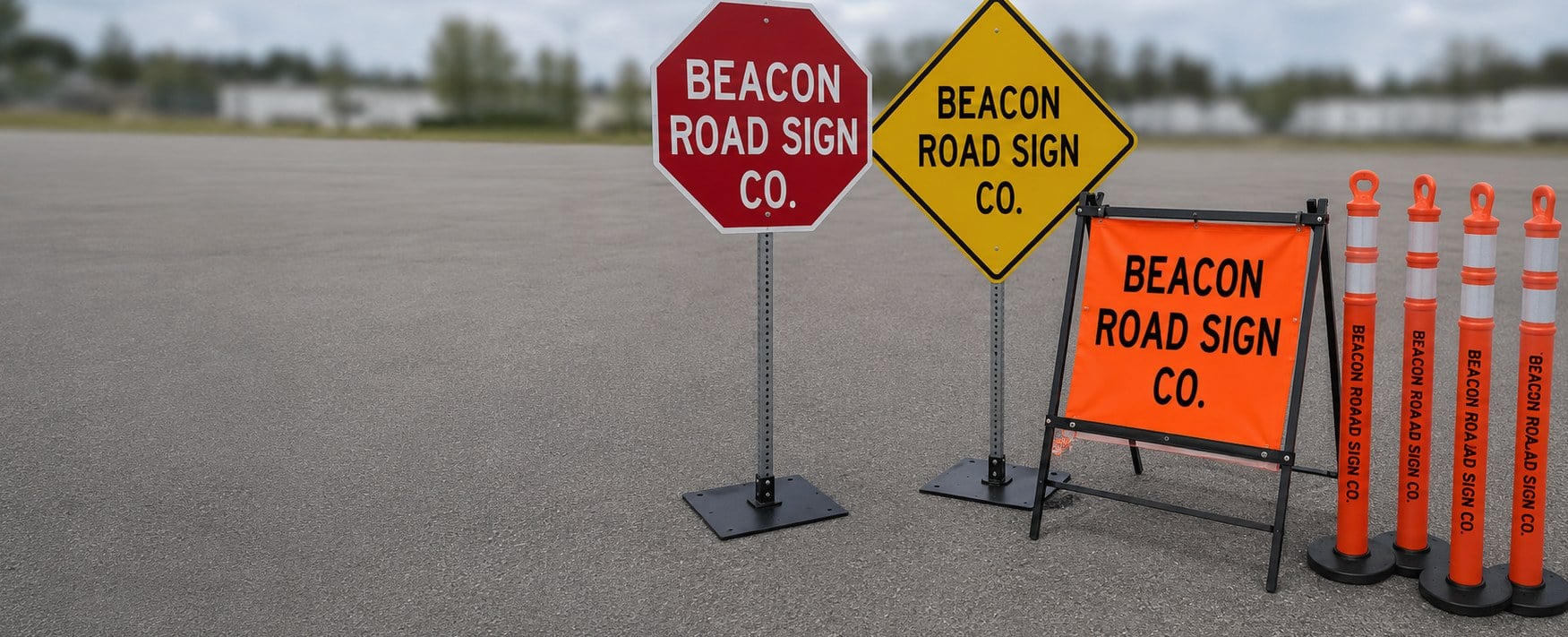
- Count road signs by position and approach direction, not by location.
- Orders can mix designs as long as the total reaches 12 road signs.
- Customized Road Signs returns a free mockup within 24 hours.
- Standard turnaround is about 2 weeks, with faster options via express shipping.
- Spares from the same run match installed signs exactly.
How many road signs should you order?
Order enough road signs to cover every location on your sign map, plus a small set of spares for the designs most likely to be hit, stolen or faded. Customized Road Signs builds quantities per design, so the right number comes from a site walk and a simple count, not from a round figure picked in a meeting.
Most quantity mistakes come from counting signs instead of counting positions. A single intersection on a private road can need a stop sign, two street name blades and a speed limit reminder, and a parking lot entrance can need signs facing both directions. Walk the route the way a driver would, note every decision point, and write down what a driver needs to see there.
- Positions: every spot where a driver, cyclist or pedestrian has to make a choice.
- Faces: one sign per approach direction, not one per location.
- Designs: group positions by identical wording, shape and color.
- Spares: extra copies of the designs that take the most abuse.
Once you have positions grouped by design, the order almost writes itself. The total needs to reach a minimum of 12 road signs, and those 12 can be split across several designs.
How do you build a sign map before ordering road signs?
A sign map is a marked-up site plan or aerial screenshot with a numbered dot at every sign position and a matching line in a spreadsheet. Building one before ordering road signs is the single best way to get the quantity right, because it turns a vague sense of what is needed into a list you can check, share and reorder from later.
Start at each entrance and drive or walk the route slowly. At every stop, turn, crosswalk, speed change and restricted area, drop a numbered dot. In the spreadsheet, record the position number, the wording, the shape, the sheeting grade and whether the sign needs a post or mounts on an existing pole or wall.
- Print or screenshot the site plan and number every sign position.
- Record the exact legend for each position, one line per sign face.
- Note the mounting method: new post, existing post, wall or stand.
- Sort the list by design to see how many of each you need.
- Add spares and send the totals with your quote request.
Keep the map after the order ships. When a sign goes missing, the position number tells you exactly which design to replace, which keeps every reorder consistent.
How many spare road signs should you keep on hand?
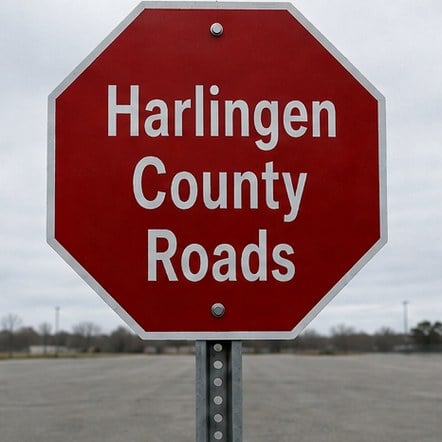
Spare road signs make sense for the designs that face the most risk: signs near loading docks, plow routes, bus loops and busy parking aisles, plus anything people like to take home, such as novelty speed limits or street name blades with popular names. Customized Road Signs can add spares to the same production run, so the extras match the installed signs exactly.
Think about spares by risk level rather than as a flat percentage across the whole order. A regulatory stop sign at a quiet cul-de-sac may never need replacing, while a low-mounted directional sign in a delivery yard may be clipped by trucks every season.
| Risk level | Typical road signs | Spare approach |
|---|---|---|
| High | Loading dock, plow route and bus loop signs, low-mounted directionals | Keep at least one spare of each design on the shelf |
| Medium | Parking lot regulatory signs, speed limit and crosswalk warnings | Keep spares of the most common design only |
| Low | Street name blades on quiet roads, entrance signs, wall-mounted signs | Reorder as needed from the saved proof |
Store spares flat, face to face with a clean sheet between them, indoors and out of direct sun, so the reflective sheeting stays clean until the day it goes up.
Should you order all your road signs at once or in phases?
Ordering all your road signs at once usually gives the most consistent result, because every sign is printed in the same run with the same sheeting and the same layout. Phased ordering is still a sensible choice when a property is being built in stages, when a budget is split across fiscal years or when you want to test a new design at one location first.
The decision usually comes down to whether the signs need to look identical side by side. Street name blades, parking regulations and wayfinding signs that sit together should come from one run whenever possible. Signs that will live in separate areas, such as a new phase of a subdivision, can be ordered later without anyone noticing a difference.
| Approach | Works best for | Watch out for |
|---|---|---|
| One complete order | New properties, full sign replacements, rebrands | Accurate counting up front, since everything arrives together |
| Phased orders | Staged construction, split budgets, pilot designs | Saving the approved proof so later phases match |
| Core order plus spares | Campuses, industrial sites, busy parking areas | Storing the spares where maintenance staff can find them |
If you phase an order, ask for the approved mockup files to be kept on record. Each later phase then starts from the same artwork, so the only thing that changes is the quantity.
Can one road sign order mix different designs and sizes?
Yes. One road sign order can mix regulatory signs, warning diamonds, street name blades and custom private-property signs, as long as the order totals at least 12 road signs. Customized Road Signs mocks up each design separately, so you see every version before anything is printed, and you can adjust the quantity of each one on the proof.
Mixing designs is how most property owners order. A typical brief might combine stop signs for exits, speed limit signs for the main drive, no-parking signs for a fire lane and a set of custom directional signs with the property name. Grouping them into one order means one approval step, one production run and one delivery.
- List each design with its own wording and quantity.
- Note any designs that need a different sheeting grade, such as higher reflectivity for unlit roads.
- Flag signs that need posts or hardware so they can be quoted together.
- Mark which designs are spares so they can be packed separately if you prefer.
For the hardware side of a mixed order, the posts, brackets and hardware page covers what can ship alongside the signs.
How do quantities affect timing for a road sign order?
Road sign orders follow the same steps whatever the quantity: a free mockup within 24 hours of your brief, revisions until you approve, then production and shipping in about 2 weeks for a standard order. Faster turnaround is available with express shipping when a deadline is tight. Getting the count right early protects that timeline more than anything else.
The most common delay is not production but a second order. When a team realizes after installation that three positions were missed, those signs have to go through approval and production again. Building the sign map first, adding spares and confirming the count on the mockup avoids that second round.
- Walk the site and finish the sign map.
- Send the design list and quantities through the quote form.
- Review the mockup within 24 hours and confirm the count per design.
- Approve, then plan installation for about 2 weeks later.
If the signs are for an opening, an inspection or a seasonal event, work backward from that date and leave room for installation, not just delivery.
What should you track after your road signs are installed?
After installation, track each road sign by its position number, its design and the date it went up. A simple log like this makes reorders fast and accurate, because you can quote the exact design and quantity from your records instead of measuring a damaged sign in a parking lot. Customized Road Signs can reproduce a design from the approved proof whenever you need more.
Maintenance teams find it useful to add a column for condition notes during routine walks: faded, bent, missing or obscured by plants. Over a year or two, the log shows which positions keep needing replacements, which tells you where to add spares, change the mounting height or move the sign to a safer spot.
- Position number from the sign map.
- Design name as it appears on the approved proof.
- Install date and mounting method.
- Condition notes from each inspection walk.
- Spares on hand for that design.
When the log shows several designs running low at once, batch them into a single reorder. That keeps the order above the minimum of 12 and keeps replacement signs matching the ones already standing.
Frequently asked questions
How do I count road signs for a private road with several intersections?
Road signs for a private road are easiest to count by approach, not by intersection. At each intersection, list every direction a driver arrives from and what that driver needs to see, such as a stop sign, a street name blade or a turn warning. Add the counts by design, then send the list to Customized Road Signs for a mockup of every version.
Should spare road signs be ordered with the first batch?
Spare road signs are best ordered with the first batch, because they come from the same production run and match the installed signs in color, sheeting and layout. Adding spares later still works from the saved proof, but bundling them up front saves a second approval step. Focus spares on designs near traffic, plows or loading areas where damage is most likely.
Can the 12-sign minimum be split across different road sign designs?
Road sign orders can be split across as many designs as you need, as long as the total reaches 12. You might order a handful of stop signs, several speed limit signs and a few custom directional signs in one batch. Customized Road Signs mocks up every design separately so you can confirm the wording and quantity of each before production.
What is a sign map and why does it help with road sign orders?
A sign map is a site plan marked with a numbered dot at every road sign position, paired with a list of the wording and mounting for each one. It prevents missed positions, makes the order easy to check before approval and gives maintenance staff a reference for reorders. Customized Road Signs can quote directly from a sign map list.
How do I reorder a road sign that matches ones already installed?
Matching road signs are easiest to reorder by referencing the approved proof from the original order. Send the design name, the quantity and a photo of the installed sign if you have one. Customized Road Signs rebuilds the same layout, color and sheeting choice, sends a mockup for your confirmation and produces the replacements in about 2 weeks.
Which road signs get replaced most often on commercial properties?
Road signs mounted low near loading docks, drive-through lanes, plow routes and tight parking aisles get replaced most often, because vehicles clip them. Novelty and street name signs also go missing more than plain regulatory signs. Tracking replacements by position for a year shows which designs deserve spares and which spots need a taller post or a new location.
Can road signs for several properties be combined into one order?
Road signs for several properties can be combined into one order, which helps property managers reach the minimum of 12 and keep a consistent look across sites. List each property's designs and quantities separately so the mockups and packing stay organized. Customized Road Signs can return proofs grouped by property for easier review.
Should I count back-to-back road signs as one sign or two?
Back-to-back road signs on one post count as two separate signs, because each face is its own panel facing a different direction of travel. On a sign map, record both faces at the same position number with a note that they share a post. Customized Road Signs can quote the post and mounting hardware for back-to-back installations at the same time.
How should spare road signs be stored until they are needed?
Spare road signs keep best stored flat or upright in a dry indoor space, with a clean sheet of paper or cardboard between faces so the reflective sheeting does not scratch. Label each stack with the design name and position numbers it replaces. Keeping spares out of sun and away from chemicals means they look new on the day they go up.
Is it better to over-order or under-order road signs?
Road sign orders are better slightly over than under, as long as the extras are designs likely to be needed. A missed position means a second approval step and another wait for production, while a few planned spares sit on a shelf until a sign is damaged. Customized Road Signs can help you decide which designs deserve extras.
What should I send to get a quantity check on my road sign list?
Road sign quantity checks work best with a list of positions, the wording for each sign, the mounting method and any site plan or photos you have. Customized Road Signs reviews the list, returns a mockup within 24 hours and flags anything that looks inconsistent, such as a one-way road missing an exit sign or mismatched street name blades.
Get a free mockup for your road signs
Send your logo or idea and the quantity you have in mind. Customized Road Signs returns a free mockup within 24 hours, you approve the design before anything is produced, and standard turnaround is about two weeks with faster options available. Get a custom quote.